
French Bulldog Breeder Serving Arkansas
From Little Rock to the Ozarks, Arkansas families receive vet-checked, socialized French Bulldogs delivered with the same care we give our local buyers.
We deliver French Bulldog puppies to Arkansas nationwide with a professional in-cabin flight nanny, never cargo.
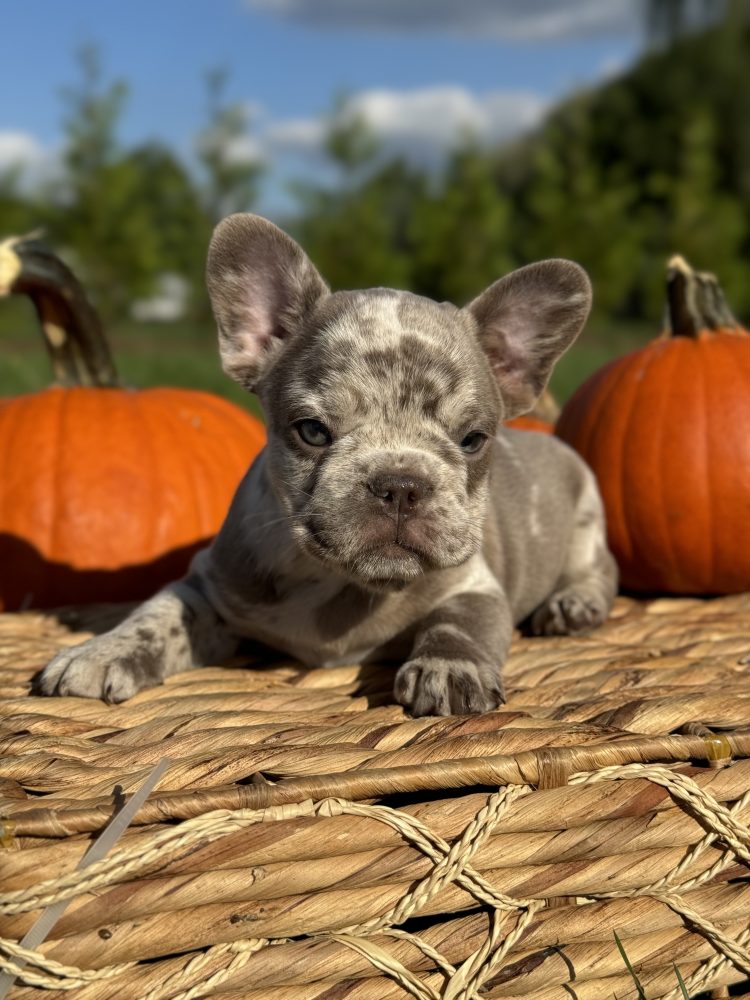
Available French Bulldog Puppies for Arkansas


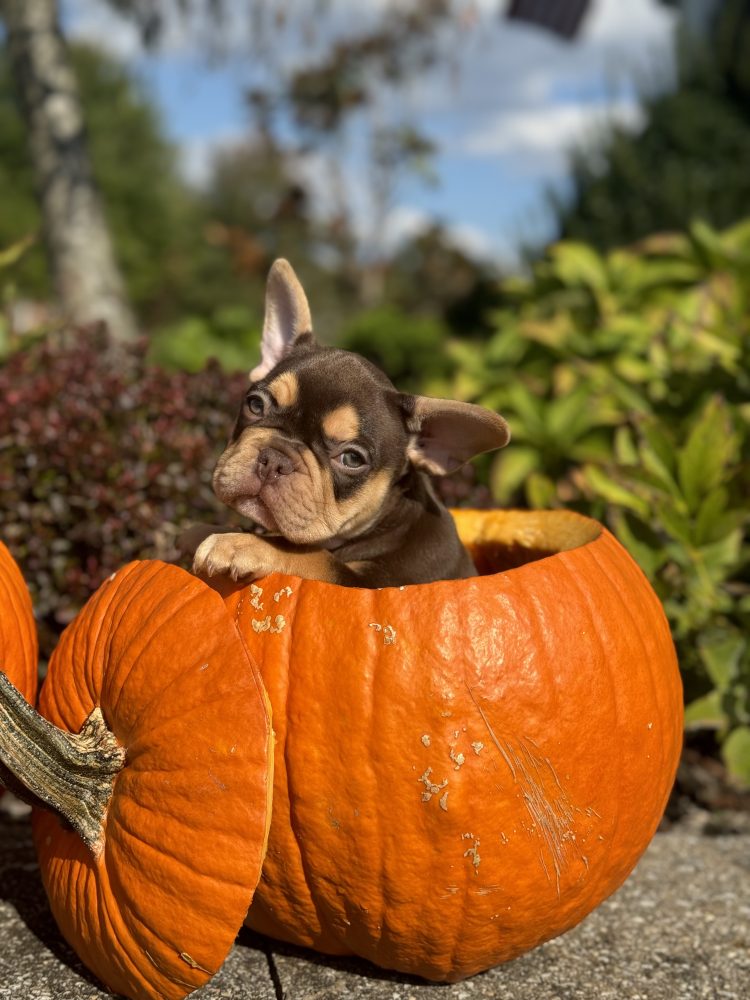
Raised in Our Home, Not a Kennel
Our French Bulldog puppies grow up underfoot, surrounded by family life, children, and everyday sounds. That early socialization is why our Frenchies arrive confident, calm, and ready to bond with Arkansas families from day one.
Each puppy is examined by a licensed veterinarian, comes AKC registered, and is backed by a written one-year genetic health guarantee.
French Bulldogs in Arkansas: Why the Natural State Has Fallen in Love with Frenchies
From the rolling Ozark mountains to the wide, flat Delta plains, Arkansas is a state of remarkable variety. Its people share that same range of character: outdoorsy and rooted, community-minded and family-first. In recent years, one dog breed has woven itself into the fabric of Arkansas family life with quiet but undeniable consistency. The French Bulldog, compact and expressive, full of personality and warmth, has become one of the most sought-after companions for households across the state.
Whether you live in a craftsman bungalow near the Hillcrest neighborhood of Little Rock, a farmhouse outside Fayetteville with a big backyard and a bigger family, or a cozy apartment near the Arkansas River in Fort Smith, the Frenchie has a way of filling a home with laughter. They are the kind of dog that follows you from room to room, greets every visitor like a long-lost friend, and settles in for the evening with a look of deep contentment. Families in Springdale and Jonesboro have discovered what breeders and owners have known for decades: the French Bulldog is one of life's genuine pleasures.
This guide is for any Arkansas family thinking seriously about bringing home a French Bulldog puppy. We will walk you through what makes the breed such a good match for life in Arkansas, how to find a responsible breeder, what to expect in terms of care and health in the state's climate, and how Frenchie Friend can get a puppy safely into your arms no matter where in Arkansas you call home.
Why Frenchies Fit Arkansas Homes and Lifestyles So Well
Arkansas families tend to value what is genuine. They are not looking for a high-maintenance showpiece. They want a dog that is present, loving, manageable, and genuinely fun to be around. The French Bulldog delivers on every count.
French Bulldogs are a medium-small breed, typically weighing between seventeen and twenty-eight pounds. That size makes them comfortable in a Little Rock apartment, but they are equally at home on a larger spread outside Springdale where children run through the yard and evenings are spent on the porch. They do not require acres of land to be happy. What they require is your company, moderate daily activity, and a consistent routine.
For families with children, Frenchies are especially well suited. They are patient and playful, sturdy enough to handle the enthusiastic affections of young kids, and calm enough that they will not overwhelm a toddler. For older adults or couples, they offer the companionship of a deeply loyal dog without the demands of high-energy breeds. Many Arkansas Frenchie owners note that their dog seems to read the room effortlessly, matching the energy of a lively Saturday afternoon or a quiet Sunday morning with equal ease.
Arkansas winters can bring ice storms and cold snaps, while summers tend toward heat and humidity. French Bulldogs are adaptable, but their brachycephalic nature does mean owners need to be thoughtful about temperature extremes. They do well in climate-controlled homes, which most Arkansas households maintain year-round. A Frenchie in Fort Smith is perfectly happy lounging in air conditioning during a hot July afternoon, heading out for a morning walk when the air is cooler, and curling up next to you in the evening.
Choosing a Responsible French Bulldog Breeder in Arkansas
Finding a French Bulldog puppy for sale in Arkansas is not difficult. Finding one from a responsible breeder is a different matter, and it is the most important step you will take in this process. The difference between a puppy raised with care and one that was not can mean years of heartbreak, unexpected veterinary costs, and the grief of losing a dog far too early.
What a Quality Breeder Looks Like
A responsible French Bulldog breeder in Arkansas will prioritize health testing above nearly everything else. French Bulldogs, as a brachycephalic breed, are prone to specific health challenges including respiratory issues, spinal conditions, and certain heart and eye concerns. Reputable breeders test their breeding dogs for these conditions before ever producing a litter. They use tests recognized by organizations like the Orthopedic Foundation for Animals and work with licensed veterinarians to evaluate the health of every dog in their program.
AKC registration matters for two reasons. First, it provides a paper trail confirming the puppy's lineage and parentage. Second, breeders who register with the American Kennel Club have agreed to adhere to a code of ethics that holds them to higher standards of care. When you see AKC-registered French Bulldog puppies in Arkansas, it signals that the breeder has invested in the legitimacy of their program.
Early socialization is another hallmark of quality. Puppies raised in a home environment, exposed to everyday sounds, handled frequently by people of all ages, and introduced to basic experiences like different textures underfoot and gentle noise, develop into emotionally stable adult dogs. Ask any breeder where their puppies are raised and how they are socialized. The answer tells you a great deal.
A written health guarantee is non-negotiable. This document is a commitment from the breeder that the puppy has been examined, vaccinated, and dewormed, and that there is a clear course of action if a heritable health condition is diagnosed after the puppy goes home. Any breeder unwilling to provide this in writing is a breeder to avoid.
Transparency is the final quality to look for. A good breeder welcomes your questions and asks plenty of their own. They want to know about your home, your experience with dogs, your expectations. That is not nosiness; it is dedication to placing their puppies well.
Red Flags: Puppy Mills, Brokers, and Backyard Breeders
Arkansas families searching for French Bulldog puppies for sale will encounter a wide range of sellers online. Not all of them deserve your trust or your money.
Puppy mills are large-scale commercial operations where dogs are bred for volume rather than quality. The conditions are often poor, health testing is minimal or nonexistent, and puppies are frequently pulled from their mothers too early. These facilities exist to supply pet stores and online classified sites with cheap inventory. A puppy from a mill may appear healthy at first, but underlying genetic problems tend to surface over time.
Brokers are middlemen who acquire puppies from various sources, including mills, and resell them. They often use attractive websites and emotional language to appear credible, but they have never met the breeding dogs and cannot honestly answer questions about health history.
Backyard breeders occupy a different category: they are often well-intentioned but simply uninformed. They may love their Frenchie and decide to breed her without understanding the genetic and health complexities of the breed. The result is litters without proper health testing, no veterinary oversight, and puppies with unpredictable temperaments and health outcomes.
Be cautious of any seller who refuses to let you see where the puppy was raised, cannot provide documentation of health tests on the parents, asks for payment through untraceable methods, or offers puppies at prices that seem dramatically below the typical range for well-bred Frenchies. If something feels off, trust that instinct.
Health and Care for French Bulldogs in the Arkansas Climate
Arkansas summers are genuinely hot, and the humidity in much of the state amplifies that heat significantly. For French Bulldog owners, this is the most important environmental factor to manage. Frenchies are brachycephalic, meaning their shortened facial structure restricts their airway in ways that can make overheating both easy and dangerous. Unlike breeds with long snouts that can pant efficiently, French Bulldogs have a limited ability to cool themselves through panting alone.
During Arkansas summers, walks and outdoor play should be scheduled for early morning or evening when temperatures have dropped. Even on mild days, keep an eye on your Frenchie for signs of overheating: excessive panting, drooling, lethargy, or a glassy, unfocused look in their eyes. Always bring fresh water on any outing. Avoid hot pavement, which can burn their paw pads and radiate additional heat upward toward their already-warm body.
Arkansas winters are generally mild compared to northern states, but ice storms and cold snaps do occur. Frenchies tolerate cool temperatures reasonably well for brief periods, but prolonged cold exposure is also uncomfortable for them. A dog coat or sweater is helpful during particularly cold spells, and indoor warmth should always be available.
Exercise for a French Bulldog in Arkansas looks like a moderate daily walk of twenty to thirty minutes, ideally at the cooler parts of the day. They enjoy play sessions in a securely fenced yard and love interactive games indoors. They are not built for long runs, vigorous hikes, or sustained exertion.
Grooming is refreshingly simple. Their short, smooth coat needs only a weekly brush to remove loose hair and keep the skin healthy. Wrinkles and skin folds on the face should be cleaned gently and kept dry to prevent irritation. Nails need regular trimming, and ears should be checked for debris or buildup.
Routine veterinary care is essential. Find a veterinarian in Little Rock, Fayetteville, or your local area who has experience with brachycephalic breeds. They will know what to watch for and can advise you on breed-specific preventive care, including monitoring respiratory health as your dog ages.
French Bulldog Colors and Coat Varieties
One of the things that draws so many people to the French Bulldog is the sheer variety of colors and patterns they come in. Understanding what is standard versus rare can help you make an informed choice and set realistic expectations.
The American Kennel Club recognizes several standard French Bulldog colors and markings. Brindle, in its many variations from light to dark, is among the most classic. Fawn, ranging from a pale cream to a warm reddish-tan, is equally traditional. White, cream, and combinations like brindle and white or fawn and white are all accepted and common within well-bred lines.
In recent years, so-called rare colors have gained popularity. Blue, also described as lilac or silver, chocolate, and merle are all patterns that fall outside the AKC breed standard. They can be genuinely striking to look at, but it is important to understand a few things. First, some of these colors are produced through gene combinations that, in irresponsible breeding programs, can be paired with health risks. Second, the premium prices often associated with rare colors are not necessarily a sign of higher quality; they reflect demand for novelty. A reputable breeder producing rare-colored Frenchies will still prioritize health testing and temperament above color.
Whether you are drawn to a classic brindle or a blue merle, the fundamentals of choosing a responsibly bred puppy remain identical. Color is a preference; health and temperament are the foundation.
What Affects the Price of a French Bulldog Puppy
French Bulldogs are consistently one of the more expensive dog breeds to purchase, and understanding why helps you evaluate what you are actually paying for when you find a French Bulldog breeder in Arkansas.
Lineage is a primary factor. Puppies from parents with exceptional pedigrees, proven health records across multiple generations, and strong conformation to the breed standard tend to carry a higher price. That price reflects years of careful breeding decisions.
Color rarity influences price in the current market, especially for non-standard colors like blue, merle, or fluffy (long-coat) variations. Demand has pushed prices up for these variations in particular.
Health testing is expensive. Cardiac evaluations, hip and spine imaging, genetic panels, and veterinary examinations all cost money, and responsible breeders build that cost into their pricing. A puppy priced far below the typical range almost always signals that these investments were skipped.
Breeder reputation matters enormously. Breeders who are known for producing healthy, well-tempered dogs with consistent results develop waiting lists. The relationship you build with a reputable breeder is also an ongoing resource; good breeders remain available to answer questions for the life of the dog.
Cities and Regions We Serve Across Arkansas
Frenchie Friend serves families throughout the entire state of Arkansas. Whether you are in the capital city of Little Rock with its growing neighborhoods and vibrant arts scene, in Fayetteville surrounded by the University of Arkansas community and the beauty of the Ozarks, or in Fort Smith along the Oklahoma border, we are happy to work with you.
Families in Springdale, one of the fastest-growing cities in the state, have found Frenchies to be ideal companions as new subdivisions bring new neighbors and a busy community life. In Jonesboro, home of Arkansas State University and a thriving healthcare and agricultural community, Frenchie owners appreciate the breed's adaptability to both campus-adjacent apartments and larger family homes.
We also serve families in smaller towns and rural communities across Arkansas. Distance is not a barrier. Our delivery program ensures that wherever you are in the Natural State, a well-loved, healthy puppy can reach you safely.
How We Deliver French Bulldog Puppies to Arkansas
One of the most important decisions we have made at Frenchie Friend is our commitment to never shipping puppies as cargo. Cargo travel exposes young puppies to extreme temperatures, unfamiliar loud environments, rough handling, and the stress of being isolated in a dark hold. For a brachycephalic breed like the French Bulldog, that kind of stress is genuinely dangerous.
Instead, we use a professional in-cabin flight nanny service. A dedicated, experienced nanny travels with your puppy in the passenger cabin of a commercial flight, keeping the puppy calm, comfortable, and safe throughout the journey. The nanny provides updates and photos so you know exactly how your puppy is doing every step of the way.
This approach means that families in Little Rock, Fayetteville, Fort Smith, Springdale, and Jonesboro, and in every corner of Arkansas, can receive a puppy that arrives calm, healthy, and ready to meet its new family. We coordinate all flight logistics and communicate clearly with you about timing, arrival details, and what to prepare.
Bringing Your French Bulldog Puppy Home to Arkansas
The day your puppy arrives is one of the best days of the year. Preparation beforehand makes that day go smoothly for both of you.
Before pickup or delivery, set up a small, secure space in your home where the puppy can begin to settle in. A crate of appropriate size is an invaluable tool. It gives the puppy a den-like space that quickly becomes associated with safety and rest. French Bulldogs generally take to crate training well when introduced gradually and positively.
Gather the basics: a high-quality puppy food (your breeder should recommend a starting brand), stainless steel food and water bowls, a comfortable bed or blanket with familiar-smelling fabric if possible, a few durable and appropriately sized toys, and an ID tag with your contact information for the collar.
The first priority after your puppy comes home is a visit to your local veterinarian in Little Rock, Fayetteville, or wherever you are based. This introductory exam establishes a health baseline, confirms vaccines are current, and begins your relationship with a vet who will know your dog over the years. Make sure your vet is familiar with brachycephalic breeds or is willing to learn alongside you.
Socialization does not stop when a puppy leaves the breeder. Continue introducing your Frenchie to new people, gentle dogs, different environments, and everyday experiences like car rides, crowds, and various sounds. The first few months at home are a critical window for building a confident, friendly adult dog. Puppy classes are an excellent resource and can be found through local training facilities in Fayetteville, Little Rock, and beyond.
French Bulldogs bond deeply and can develop separation anxiety if not gradually taught that alone time is safe. Build up absences slowly, use the crate as a positive anchor, and consider leaving worn clothing nearby so your scent is present when you are gone.
Why Frenchie Friend Is the Right Choice for Arkansas Families
At Frenchie Friend, every puppy we raise is treated as a member of our family before they become a member of yours. We are a family-run operation based in New Jersey, and we carry AKC-registered French Bulldogs with full health guarantees and comprehensive health testing behind every litter. We do not cut corners on the things that matter most: the health of our breeding dogs, the early socialization of our puppies, and the ongoing relationship we build with the families who take them home.
We believe in transparency at every stage. If you have questions about our breeding dogs' health clearances, the socialization protocols we use, or what to expect in the first weeks at home, we want to answer them. We also believe in being honest about the breed itself, including its quirks, its needs, and its occasional medical considerations. An informed owner is the best thing a Frenchie can have.
Arkansas families deserve a French Bulldog breeder who takes the responsibility of breeding seriously. We welcome you to browse our available puppies, learn more about our program, and reach out with any questions. Your next family member may already be waiting.
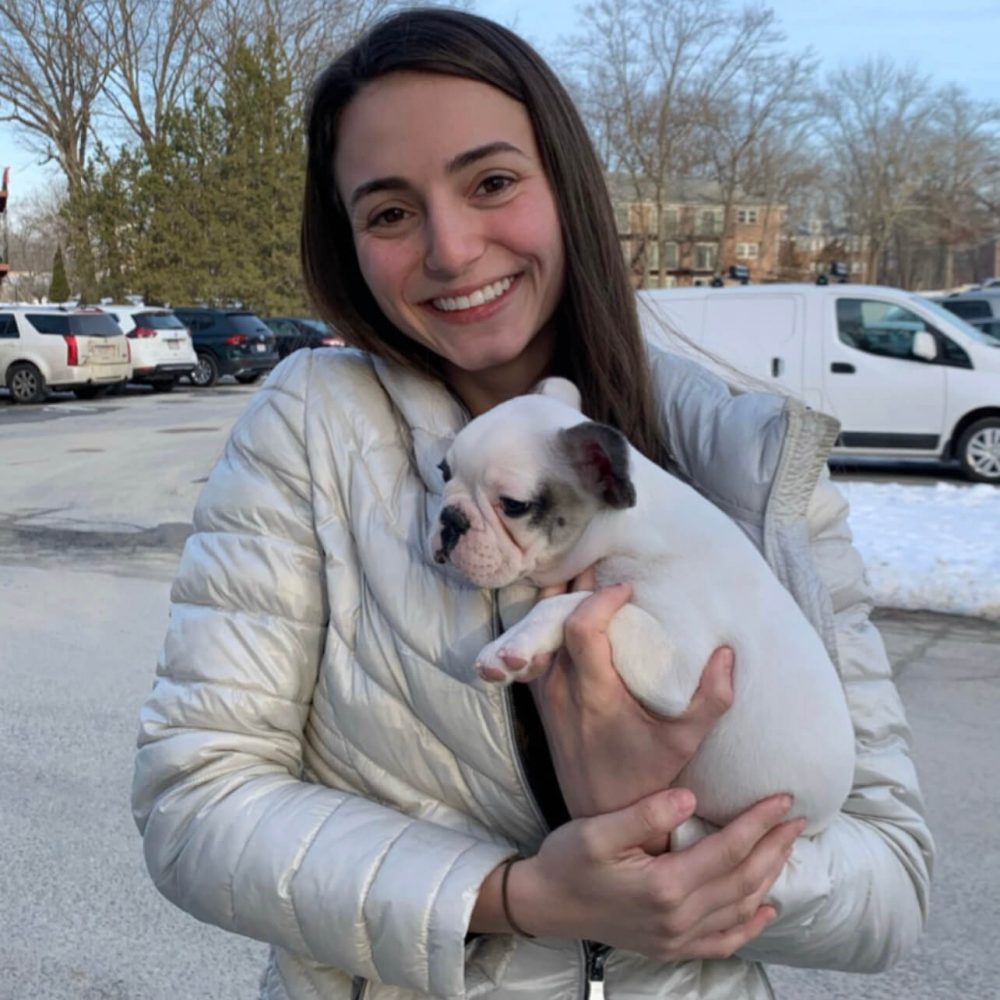
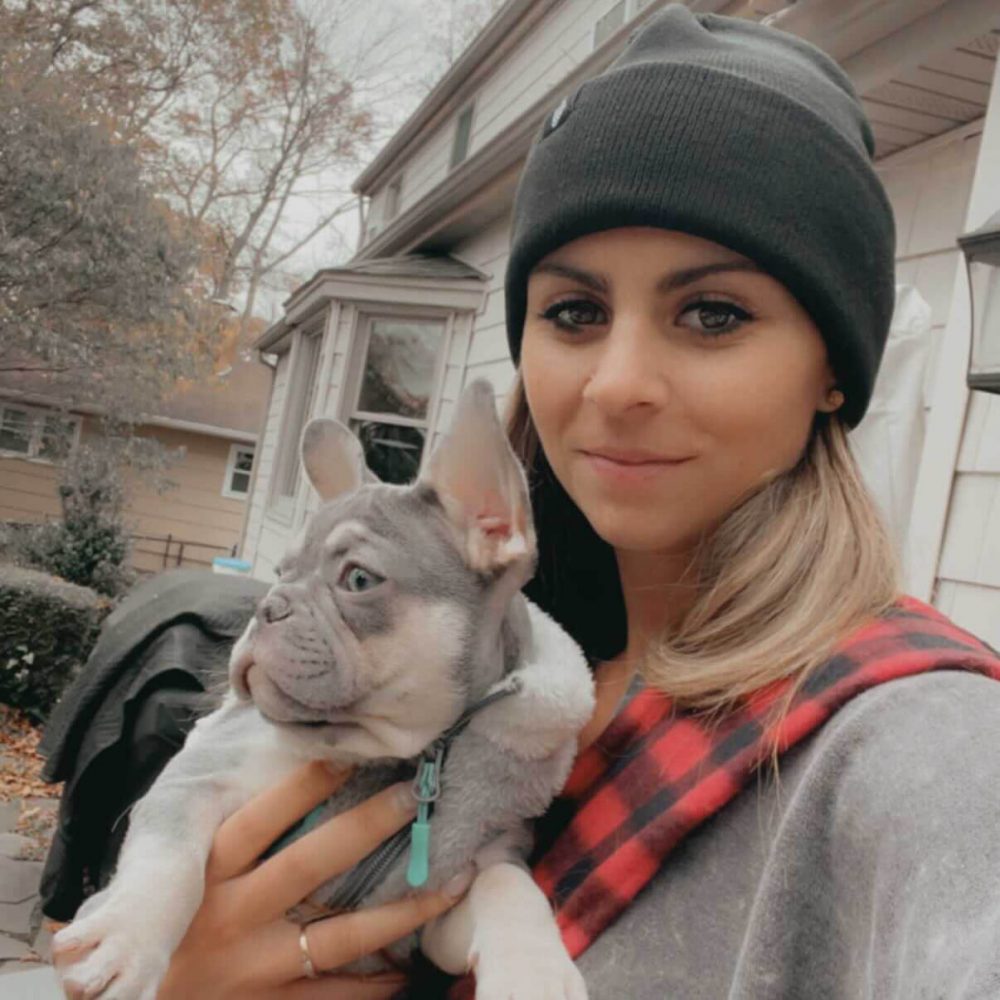
Happy Frenchie Families

Frequently Asked Questions
Ready to Welcome a Frenchie in Arkansas?
See our available French Bulldog puppies or reach out and we will help you find your perfect companion.
View Available Puppies