
French Bulldog Breeder Serving Rhode Island
Rhode Island may be small, but our commitment is not, every puppy leaves with a health guarantee and a full vet record before it makes the drive to the Ocean State.
Rhode Island is usually about a 3.5 hour drive from our New Jersey home, so we hand-deliver your puppy by car, door to door.
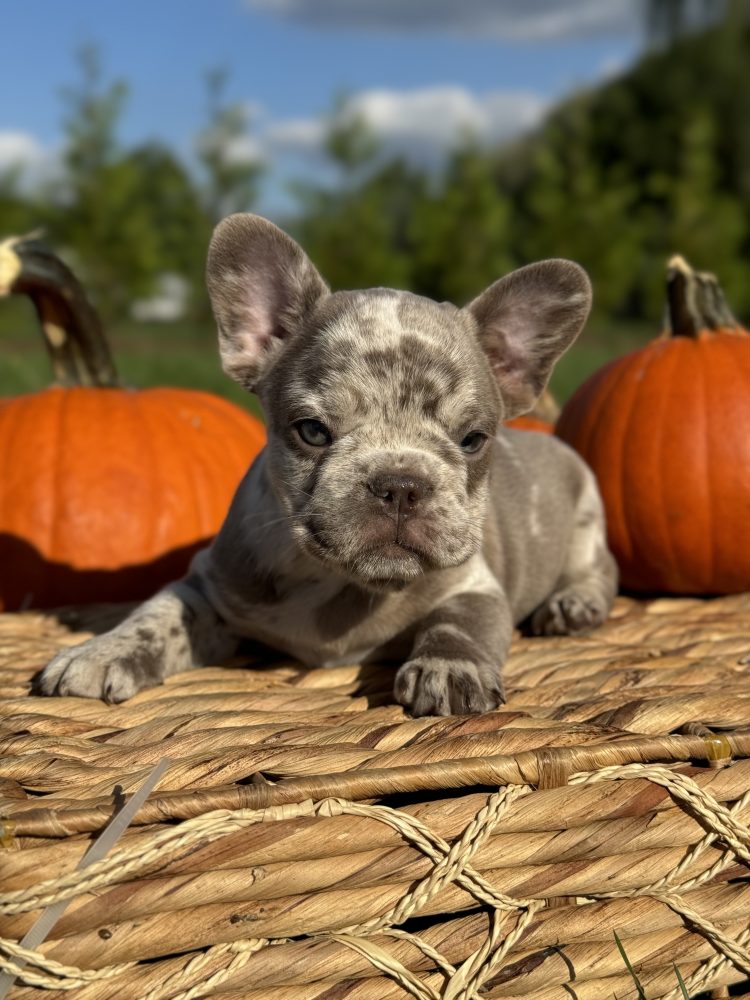
Available French Bulldog Puppies for Rhode Island


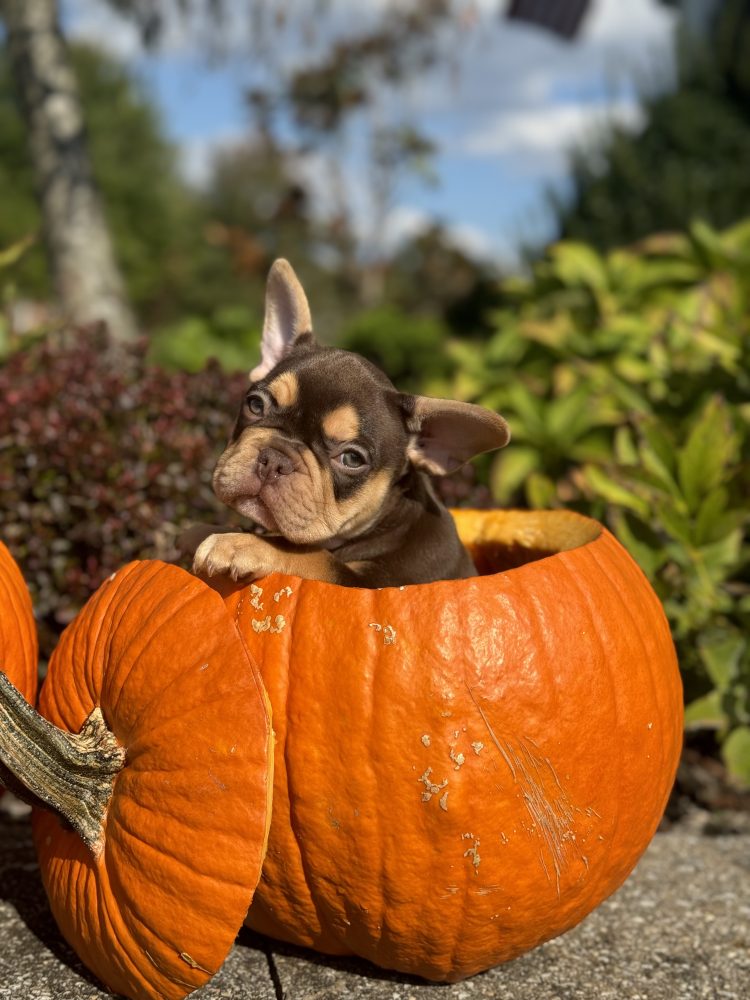
Raised in Our Home, Not a Kennel
Our French Bulldog puppies grow up underfoot, surrounded by family life, children, and everyday sounds. That early socialization is why our Frenchies arrive confident, calm, and ready to bond with Rhode Island families from day one.
Each puppy is examined by a licensed veterinarian, comes AKC registered, and is backed by a written one-year genetic health guarantee.
French Bulldogs in Rhode Island: The Ocean State's Favorite Compact Companion
Rhode Island may be the smallest state in the country, but the enthusiasm its residents have for French Bulldogs is anything but small. In Providence's historic neighborhoods, along Warwick's waterfront, through the charming streets of Newport, and across the close-knit communities of Cranston and Pawtucket, Frenchies have firmly established themselves as the companion dog of choice for an enormous range of families. Their adaptable, affectionate personalities seem perfectly calibrated for the Rhode Island way of life: community-oriented, social, unpretentious, and deeply fond of comfort.
What makes Rhode Island such a natural home for French Bulldogs? Part of it is practical. The state's compact geography means that even the most convenient dog-friendly parks, beaches, and walking paths are rarely far from home. Frenchies do not need vast open spaces to thrive. A walk through Providence's East Side, a Saturday morning at a Warwick dog park, or an evening stroll through Newport's colonial streets is more than enough to satisfy a Frenchie's modest but genuine need for daily movement and fresh air.
The Ocean State's strong sense of neighborhood and community also suits the breed. French Bulldogs are natural social magnets. They attract attention and conversation wherever they go, and Rhode Islanders, known for their warmth and directness, seem to appreciate a dog that matches that energy. These are not standoffish animals. They want to be part of whatever is happening, and they tend to charm nearly everyone they meet.
At Frenchie Friend, we are a family-run French Bulldog breeder based in New Jersey, and Rhode Island families are among those we are proud to serve. If you are looking for a French Bulldog breeder in Rhode Island or exploring French Bulldog puppies for sale in Rhode Island, this guide is for you.
Why Frenchies Are Such a Natural Fit for Rhode Island Homes
Rhode Island living is diverse. In Providence, a graduate student might share a two-bedroom apartment with a Frenchie who serves as the household's unofficial ambassador to every neighbor on the floor. In Newport, a family in a historic home might have a Frenchie who spends summers lounging on a shaded porch and winters curled up near the fireplace. In Cranston or Warwick, suburban families with children and maybe another pet already in residence find that Frenchies fold into existing households with surprising ease.
The breed's moderate size is one of its most practically useful attributes in a dense, small state. At roughly twenty to twenty-eight pounds as adults, French Bulldogs are substantial enough to feel like a real dog and portable enough to go nearly everywhere with you. They fit comfortably in condos, apartment buildings, and smaller homes without dominating the space or demanding a yard of their own.
They are also remarkably quiet for a dog. French Bulldogs are not big barkers. They communicate through an expressive range of snorts, grumbles, and looks, but sustained barking is not really in their repertoire. For anyone living in an apartment building in Providence or a condo community in Warwick, that quality has genuine practical value. Your neighbors will likely thank you.
Rhode Island families also appreciate that Frenchies are deeply attached to their people. These dogs do not do well as backyard pets or animals left largely to themselves. They want to be where you are. They follow you from room to room, position themselves where they can keep an eye on the household, and have a remarkable ability to sense when someone is having a difficult day and provide quiet, warm companionship without asking for anything in return. In a state where community and connection matter, that quality resonates.
Finding a Responsible French Bulldog Breeder in Rhode Island
The process of finding a trustworthy French Bulldog breeder in Rhode Island requires the same careful research you would apply to any significant decision for your family. The demand for Frenchies is high, which unfortunately creates space for sellers who prioritize volume and profit over the health and wellbeing of the dogs. Knowing what to look for and what to avoid makes an enormous difference in your outcome.
The Hallmarks of a Responsible Breeder
Comprehensive health testing is the single most important thing a responsible French Bulldog breeder does before producing a litter. For Frenchies, this means testing both parents for cardiac conditions, spinal abnormalities, hip dysplasia, and eye conditions. These evaluations are performed by board-certified veterinary specialists and the results are documented and verifiable. A breeder who cannot show you the health testing on their dogs is not a breeder you should be working with.
AKC registration provides a documented pedigree for your puppy and confirms that the breeding was recorded through a recognized registry. Responsible breeders register their litters with the American Kennel Club as a matter of course, and your puppy should come with paperwork to that effect.
Early socialization in a home environment is critical for French Bulldog temperament. Puppies that spend their first weeks in a family home, exposed to a variety of sounds, people, routines, and gentle handling, arrive in their new homes with a foundation of confidence and adaptability that puppies from less attentive environments simply cannot match. Ask any breeder you consider how and where their puppies are raised.
A written health guarantee demonstrates that a breeder stands behind the health of their puppies. This document should specify what genetic conditions are covered, for how long, and what the breeder's commitment is if a covered condition is identified by a veterinarian. The absence of a written guarantee is a red flag.
Good breeders are also communicative and transparent. They answer questions thoroughly, share information about how puppies are raised without being prompted, and take time to evaluate whether your family is a good match for one of their puppies. They care about where their dogs go and will tell you so.
Red Flags That Should Send You Elsewhere
Puppy mills produce dogs at scale with little concern for health, genetics, or welfare. Puppies from these operations often look healthy in photos but may have hidden health issues that become apparent in the weeks and months after you bring them home. The cost of treating those conditions can far exceed any savings you made on the purchase price.
Brokers and resellers market puppies from multiple breeders without direct knowledge of how any specific puppy was raised. When you cannot speak directly with the person who whelped and socialized your puppy, you are missing critical information about that animal's earliest and most formative experiences.
Backyard breeders may produce puppies occasionally without the health testing, knowledge, or resources to do it responsibly. A low price from a well-meaning amateur still represents genuine risk when the parents' health has not been properly evaluated.
Prices that seem dramatically below market rate should prompt serious questions rather than excitement. Responsible French Bulldog breeding involves real costs: health testing, quality nutrition, veterinary care for mother and puppies, early vaccines, deworming, microchipping, and more. When a price is much lower than what other responsible breeders charge, something in that process has been skipped.
Any seller who becomes evasive when you ask about health testing, refuses to share documentation, pushes you to decide quickly, or cannot tell you clearly how and where the puppy was raised is not someone you should trust with a decision this significant.
Health and Care of French Bulldogs in Rhode Island's Climate
Rhode Island's coastal New England climate brings distinct seasonal shifts that every French Bulldog owner in the state should understand and plan for. The state experiences warm, humid summers, cold winters with occasional snow, and beautiful but variable spring and fall seasons. Each of these seasons interacts differently with a French Bulldog's unique physiology.
Managing Rhode Island's Heat and Humidity
Summer in Rhode Island can be genuinely humid, particularly in coastal communities and the Providence metro area. For French Bulldogs, humidity is more challenging than temperature alone because it limits their ability to cool themselves through panting. Brachycephalic dogs have shortened airways that already make breathing less efficient than in other breeds. When heat and humidity combine, that limitation becomes more pronounced.
During summer months, walk your Frenchie early in the morning or in the evening after the day has cooled. Keep outings brief on hot days. Always carry water and offer it frequently. Make sure your home is air-conditioned, and never leave your Frenchie in a parked car even for a few minutes. Watch for signs of heat distress: heavy, labored panting, drooling, redness around the face, or unusual lethargy.
Navigating Rhode Island Winters
French Bulldogs handle cooler weather better than heat, but their short single-layer coat and small body mass mean they lose heat more quickly than larger or double-coated breeds. Brief winter walks are usually fine, but on very cold or windy days a well-fitted coat or sweater adds meaningful comfort. Salt and ice-melt chemicals used on sidewalks and roads can irritate their paws, so wiping their feet after winter walks is a good habit.
Exercise, Grooming, Diet, and Routine Care
Daily walks and indoor play are the cornerstone of a Frenchie's exercise routine. They do not need extensive outdoor time, but they do need regular movement and mental engagement. Interactive toys, training games, and puzzle feeders can supplement physical activity and keep their sharp, curious minds occupied.
Grooming is minimal. A weekly brush and an occasional bath are all the coat requires. The facial folds and skin wrinkles need regular cleaning and thorough drying to prevent skin irritation. Nail trimming, ear cleaning, and dental care round out a simple but important grooming routine.
Feeding a high-quality, age-appropriate diet in measured portions keeps weight in check. Frenchies are enthusiastic eaters and are predisposed to weight gain if meals are not monitored. Maintaining a healthy weight reduces strain on their joints, spine, and respiratory system.
Regular veterinary visits, current vaccinations, and proactive health management give Rhode Island Frenchies the foundation they need for a long, comfortable life.
French Bulldog Colors and Coat Varieties
French Bulldogs come in a wider range of colors than many people initially realize, and understanding the distinction between standard and rare colorings helps you make informed decisions as you search for the right puppy.
The American Kennel Club recognizes brindle, fawn, white, and combinations including piebald as standard French Bulldog colors. Brindle is a layered pattern of dark streaks over a lighter base, ranging from light honey brindle to deep, nearly black tiger brindle. Fawn covers a spectrum from pale cream through golden yellow to rich red. Piebald Frenchies have patches of white combined with another color, making each one visually distinctive.
The rare or exotic color spectrum includes blue (actually a dilute slate gray), lilac, chocolate, merle, and various combinations. These colors exist outside the AKC standard but have attracted a significant following among enthusiasts who love the distinctive look they create. Some rare color genetics can be associated with additional health considerations, so it is worth having an informed conversation with any breeder producing non-standard colors about how they approach genetic health testing for their lines.
In all cases, the French Bulldog coat is short, smooth, and low-maintenance. No professional grooming appointments are needed to keep a Frenchie looking and feeling their best, which is one more practical advantage the breed offers to busy Rhode Island families.
What Goes Into French Bulldog Puppy Pricing
The price of a French Bulldog puppy reflects the investment a breeder makes in producing that puppy responsibly. Understanding what drives pricing helps you evaluate what you are being offered and avoid situations where a low price comes at the cost of your puppy's health or quality of early care.
Lineage and pedigree are foundational. Puppies from parents with documented champion bloodlines or strong, clean pedigrees are priced to reflect that heritage. Show-quality ancestry often correlates with better conformation and fewer structural issues, though it is not a guarantee of perfect health in any individual puppy.
The scope of health testing on the parents is a major cost driver. Cardiac exams, spinal evaluations, hip imaging, genetic panels, and eye certifications all require specialist veterinarians and laboratory analysis. Breeders who invest in thorough health testing pass a portion of that cost through to the puppy price, and the corresponding reduction in risk for the buyer is real and meaningful.
Color is another significant factor. Standard colors tend to be less expensive. Rare or exotic colors command higher prices because producing them responsibly requires additional knowledge of genetics and, ideally, additional health testing to ensure the color-related genes are not paired with problematic ones.
The quality of early care, including veterinary wellness exams, vaccination and deworming protocols, microchipping, early socialization experiences, and the environment in which puppies are raised, all contribute to pricing as well. A puppy raised in a home with attentive care and early veterinary support costs more than one raised with minimal investment, and that difference typically shows in how the puppy settles into your home and how they develop over time.
Cities and Regions We Serve in Rhode Island
We happily serve families throughout Rhode Island, from the state's urban neighborhoods to its coastal and rural communities. The Ocean State's compact geography means virtually every community is within reach of our delivery service.
- Providence and the surrounding neighborhoods, including the East Side, Federal Hill, and College Hill
- Warwick and the Kent County communities
- Cranston and its residential neighborhoods
- Newport and the Aquidneck Island communities
- Pawtucket and northern Rhode Island
- Woonsocket and the Blackstone Valley region
- North Kingstown, South Kingstown, and Washington County communities
- Bristol, Warren, and East Bay communities
- Westerly and the southwestern Rhode Island coastline
No matter where in Rhode Island you are located, we are glad to talk with you about our available puppies and work out a delivery that fits your schedule and location.
How We Deliver to Rhode Island
We deliver to Rhode Island families via personal ground delivery by car from our New Jersey home, directly to your door. Rhode Island is approximately three and a half hours from us, which means your puppy travels in the care of someone they know, in a comfortable and climate-controlled vehicle, without any airports, cargo holds, or strangers involved in the journey.
This approach is one we are genuinely proud of. Your puppy does not sit in a crate in the belly of a plane or get handed off to a shipping company. They spend their travel time with someone familiar, comfortable, and calm. By the time they arrive at your home, they are ready to meet you and begin settling in rather than recovering from a stressful journey.
We coordinate delivery scheduling with you in advance, keep you updated throughout the day, and make sure you have everything you need to receive your puppy properly. The goal is a smooth, warm handoff that starts your relationship with your new Frenchie on the best possible note.
Preparing Your Home and Bringing Your Puppy Home
The days leading up to your puppy's arrival are a great time to get organized so that everything is in place when they walk through the door for the first time. A little preparation goes a long way toward a smooth first week.
Puppy-Proofing and Supplies
French Bulldog puppies are curious and surprisingly determined explorers. Walk through your home with fresh eyes and remove or secure anything that could be chewed, knocked over, or accessed in a way that could cause harm. Cabinet latches, cord management, and keeping small objects off the floor are all useful precautions.
Gather your supplies before arrival: a properly sized crate or playpen, a cozy bed, stainless steel food and water bowls, a harness (recommended over a collar for brachycephalic breeds), a lightweight leash, puppy-appropriate food, a few toys, and enzymatic cleaner for any accidents. Ask us ahead of time what your puppy has been eating so you can start with the same food and transition slowly if you choose something different.
First Vet Visit and Ongoing Care
Plan to see a veterinarian within a few days of your puppy's arrival. This first visit establishes your puppy's health baseline, continues their vaccination schedule, and starts you off with a vet relationship that will support your Frenchie throughout their life. Finding a vet in Providence, Warwick, Newport, or wherever you are located who has experience with brachycephalic breeds is a worthwhile effort.
Crate Training and Socialization
Introduce the crate positively from the first day. Use treats, meals, and calm encouragement to help your puppy associate the crate with comfort and safety. Consistent, patient crate training makes housebreaking much easier and gives your puppy a personal retreat they will actually enjoy using.
Continue socializing your puppy through their first year. New people, places, sounds, and gentle experiences build the kind of well-rounded, confident temperament that makes a French Bulldog a joy to live with. Puppy classes offered through Rhode Island training centers provide both instruction and valuable social exposure in a supervised setting.
Why Families Choose Frenchie Friend
We are a family who raises French Bulldogs with the same care and attention we give our own family members, because in our home, they are. Every litter grows up surrounded by the rhythms and sounds of family life, handled by people who know each puppy as an individual and place them thoughtfully into homes where they will be loved and cared for properly.
We health test our parent dogs, register our puppies with the AKC, provide a written health guarantee, and stay connected with our puppy families long after placement. When you choose a puppy from Frenchie Friend, you are not making a transaction. You are beginning a relationship with a breeder who cares about how your dog grows and thrives.
Rhode Island families hold a special place in our hearts because the Ocean State values community and connection in a way that aligns with how we think about breeding: it is personal, it is relational, and it matters. We would love to help you find your perfect Frenchie companion. Browse our available puppies today or reach out to us with any questions. We are happy to talk.
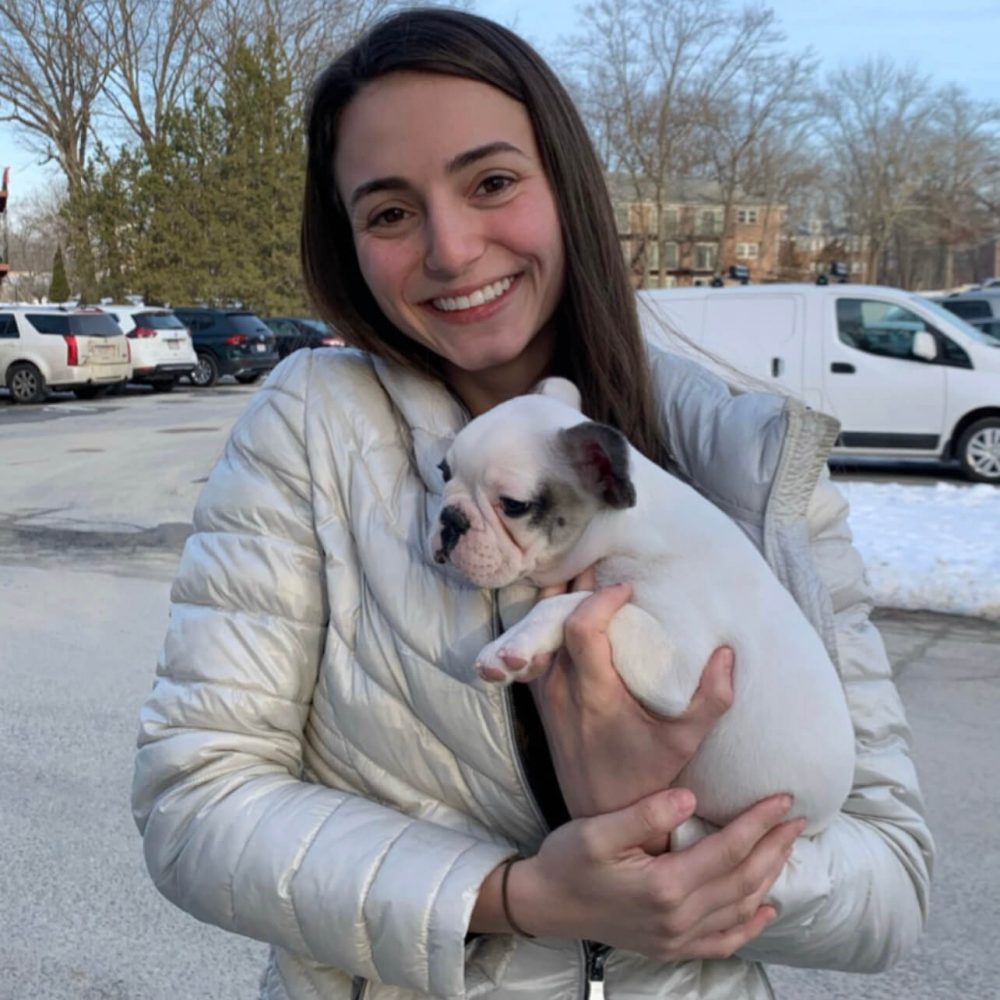
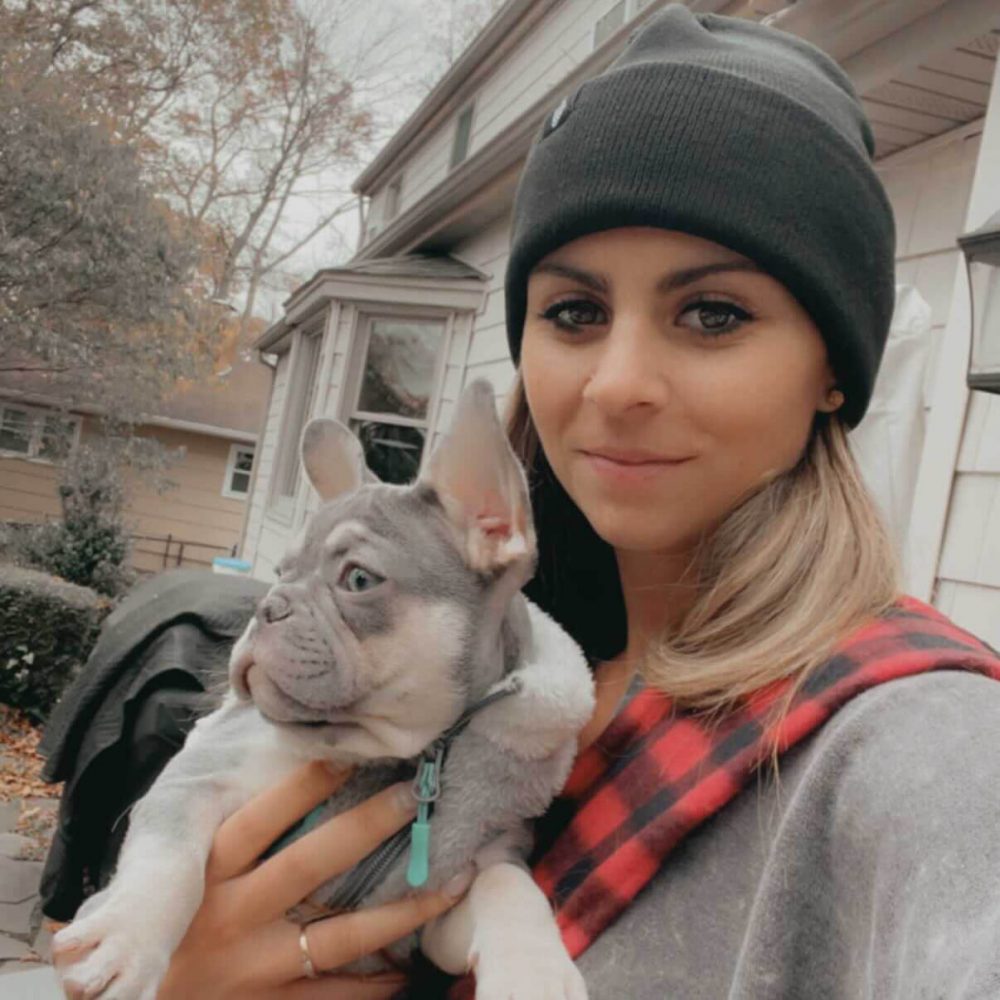
Happy Frenchie Families

Frequently Asked Questions
Ready to Welcome a Frenchie in Rhode Island?
See our available French Bulldog puppies or reach out and we will help you find your perfect companion.
View Available Puppies